
 Take our Discovery Quiz
 Book an appointment
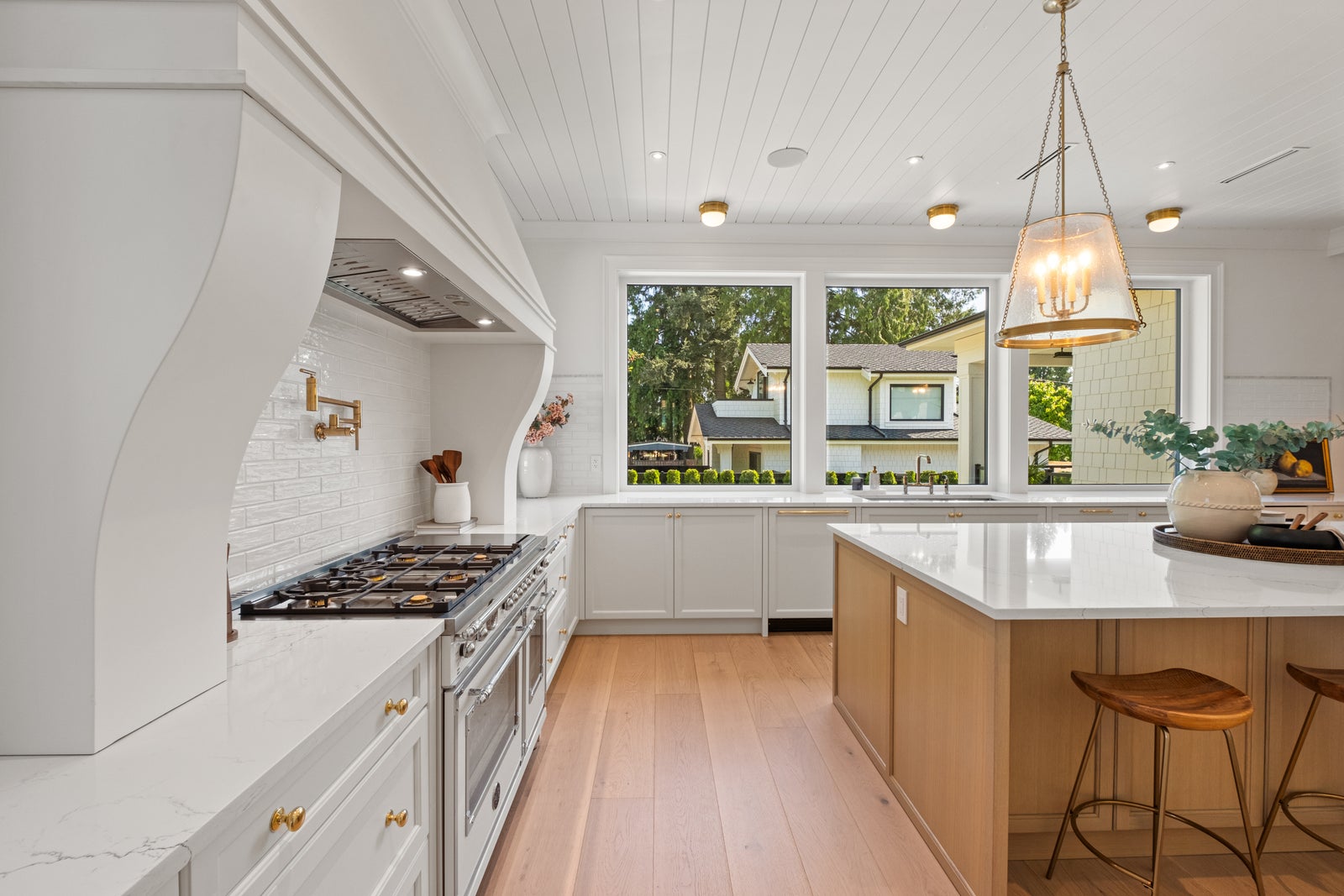 North Vancouver is home to some of the North Shore’s most impressive custom-built residences, from contemporary architectural masterpieces in Edgemont and Canyon Heights to luxury family homes in Upper Lonsdale, Forest Hills and along the Seymour River. With thoughtful design, premium finishes and features tailored to modern living, custom homes offer buyers an opportunity to enjoy a truly distinctive property.
However, purchasing a custom home involves more than admiring its architecture or falling in love with its interior. Understanding the quality of construction, the value of the property, the suitability of the location and the potential for long-term appreciation is essential to making a confident real estate decision.
Whether you are considering a newly built luxury home or an established custom residence, here is how to evaluate a custom home in North Vancouver.
1. Look Beyond the Finishes and Assess Construction Quality
A custom home may feature dramatic ceilings, expansive windows, imported stone, designer lighting and a gourmet kitchen. While these finishes contribute to its appeal, the underlying construction is what determines how well the home will perform over time.
Pay close attention to the quality of the building envelope, including the roof, exterior cladding, windows, doors, insulation and waterproofing systems. North Vancouver’s wet climate makes proper drainage, moisture management and weather protection particularly important.
Other areas worth evaluating include:
- Foundation and structure: Look for visible cracking, uneven floors or signs of settlement that may warrant further investigation.
- Roofing and drainage: Review the roof’s age and condition, gutter systems, downspouts and how water is directed away from the home.
- Windows and doors: Assess their quality, condition, energy efficiency and installation.
- Plumbing and electrical: Confirm that systems are appropriately installed, maintained and suitable for the home’s size and features.
- Heating and cooling: Understand the type, age and efficiency of the mechanical systems, including radiant heating, heat pumps or air conditioning.
The key is to distinguish between features that look impressive and construction details that contribute to the home's durability, comfort and long-term value.
2. Research the Builder and Building History
The reputation and experience of the builder can provide valuable insight into a custom home's quality. If possible, research the builder's previous projects and look for consistency in workmanship, design and attention to detail.
For a newer home, ask whether the builder is registered with BC Housing where required and whether the property has applicable home warranty insurance. In British Columbia, eligible new homes generally require 2-5-10 home warranty insurance, subject to applicable exemptions and requirements.
Buyers should also review the property's documentation, including:
- Building permits and final inspection or occupancy documentation, where applicable.
- Approved plans and specifications.
- Records of renovations, additions or alterations.
- Home warranty documentation and remaining coverage.
- Invoices or maintenance records for major building systems.
For older custom homes, maintenance records and the quality of subsequent renovations may be just as important as the original construction.
3. Evaluate the Lot and Neighbourhood Carefully
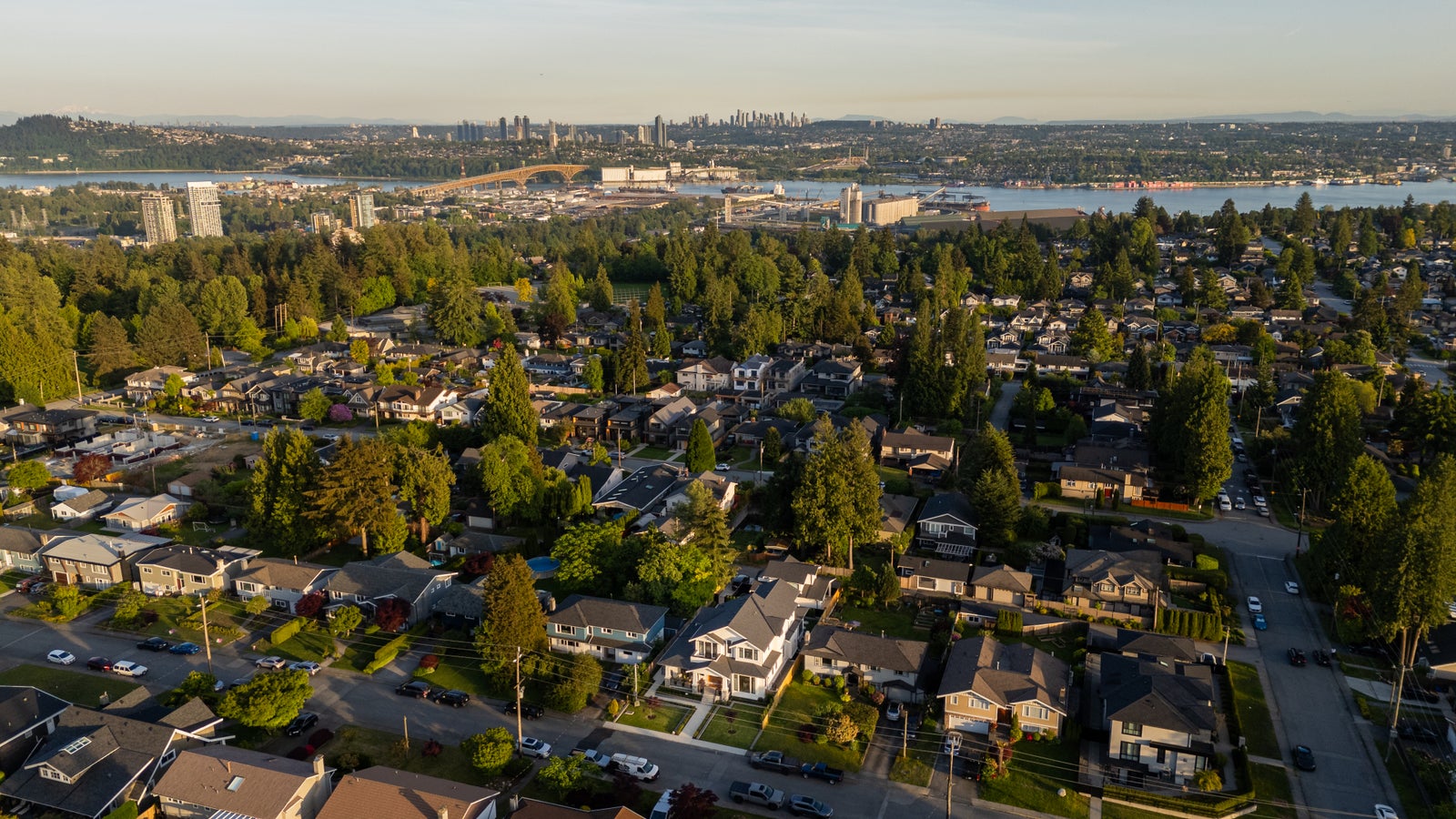
In North Vancouver, the location and characteristics of the property can have a substantial influence on its value. Two custom homes with similar square footage and finishes may command very different prices because of their lot sizes, views, privacy and neighbourhood settings.
Consider how the property fits into its surroundings and how its location aligns with your lifestyle.
Edgemont and Canyon Heights are popular with buyers seeking established residential streets, family-oriented amenities and access to parks and outdoor recreation. Proximity to Edgemont Village and schools may also appeal to families, depending on the specific property.
Upper Lonsdale and Forest Hills offer a mix of custom homes, established neighbourhoods and access to local shops, schools, parks and trails. Individual streets can vary considerably in elevation, views and privacy.
Central and Lower Lonsdale may appeal to buyers who prioritize walkability, restaurants, shopping and convenient access to downtown Vancouver via the SeaBus.
Lynn Valley and the Seymour area offer access to extensive trails, green spaces and outdoor recreation, with property characteristics ranging from established residential lots to homes near natural landscapes.
Regardless of the neighbourhood, investigate the specific lot rather than relying solely on the area’s reputation. Consider its orientation, usable outdoor space, privacy, slope, access and surrounding development.
Also review applicable zoning and municipal planning information. Future development, road changes or permitted density nearby could affect privacy, views and long-term enjoyment of the property.
4. Understand the True Value of the Property
One of the biggest challenges when evaluating a custom home is determining whether the asking price reflects its market value.
Unlike homes in large, uniform developments, custom residences often have unique layouts, architectural details and features that make direct comparisons difficult. A property with premium finishes and extensive upgrades may be appealing, but not every dollar spent on construction necessarily translates into an equivalent increase in resale value.
To evaluate pricing, consider:
- Recent comparable sales: Review similar properties sold in the same neighbourhood, prioritizing comparable lot sizes, age, condition and overall quality.
- Finished living space: Compare above-ground and below-ground areas carefully, along with the functionality of the floor plan.
- Lot value: Consider frontage, depth, topography, privacy, usable yard space and redevelopment potential where permitted.
- Quality of improvements: Assess whether upgrades are well executed, durable and likely to appeal to future buyers.
- Market conditions: Consider current inventory, buyer demand, interest rates and recent sales trends in the relevant North Vancouver neighbourhood.
A local real estate professional who understands North Vancouver's luxury and custom-home market can help identify meaningful differences between comparable properties and develop a realistic estimate of market value.
5. Consider the Floor Plan and Everyday Functionality
Custom homes are often designed around the original owner's preferences. Although this can produce distinctive and highly personalized spaces, it is important to consider whether the layout will work for your household.
Look beyond the number of bedrooms and bathrooms and assess how the home functions day to day.
Ask yourself:
- Is the kitchen connected conveniently to the dining and living areas?
- Are bedrooms appropriately separated for privacy?
- Is there sufficient storage throughout the home?
- Does the property offer a dedicated office, recreation room or flexible living space?
- Is the outdoor area accessible and practical for entertaining?
- Will the layout accommodate changing needs over time?
Consider accessibility as well. Stair placement, entry access, bedroom locations and the possibility of future modifications can influence how comfortably the home serves you over the long term.
The best custom home is not necessarily the largest or most elaborate. It is one that combines thoughtful design with practical, lasting functionality.
6. Review Energy Efficiency and Operating Costs
Large custom homes can be expensive to operate, particularly when they include multiple heating zones, extensive glazing, outdoor living features or complex mechanical systems.
Before making an offer, ask about the home's energy performance and expected maintenance costs.
Useful considerations include:
- Insulation levels and the quality of the building envelope.
- Window performance and air sealing.
- Heating and cooling equipment, including heat pumps and radiant systems.
- Ventilation and indoor air quality systems.
- Solar panels, electric vehicle charging and other energy-saving features.
- Utility bills and service records, where available.
Buyers should also budget for ongoing maintenance. A swimming pool, extensive landscaping, multiple fireplaces, elevators or specialized building systems may increase annual operating expenses.
A home that is efficient, well-maintained, and straightforward to service may offer better long-term value than a more elaborate property with higher operating costs.
7. Investigate Permits, Zoning and Future Potential
A property's legal status and future development potential can have a significant impact on its value.
For custom homes in North Vancouver, buyers should confirm the applicable municipality and review relevant zoning, permits and property records. The City of North Vancouver and the District of North Vancouver are separate municipalities with different planning and permitting processes.
If the property includes a secondary suite, detached accessory building, laneway access or substantial landscaping structures, confirm whether the relevant work was approved where required.
For buyers interested in future renovations or redevelopment, investigate the property's zoning, setbacks, lot coverage, building height restrictions and other applicable regulations. Do not assume that a neighbouring property's design or an agent's description guarantees that a similar project will be approved.
Properties near creeks, rivers, steep slopes or other environmentally sensitive areas may also be subject to additional restrictions, setbacks or development requirements.
Where future expansion or redevelopment is part of your purchasing decision, obtain advice from the municipality and appropriate qualified professionals before assigning value to that potential.
8. Pay Attention to North Vancouver's Natural Environment
North Vancouver's access to mountains, forests, rivers and green spaces is one of its greatest attractions. However, the natural setting also creates property-specific considerations that buyers should investigate.
For homes near waterways or steep terrain, review any applicable floodplain information, geotechnical reports, drainage requirements and environmental restrictions. Properties surrounded by mature trees may offer exceptional privacy but could also require ongoing arborist services or specialized maintenance.
Other considerations include sun exposure, prevailing weather, driveway slope, winter access and the amount of natural light entering the home.
A spectacular view or secluded setting can add considerable appeal, but buyers should understand the practical responsibilities and restrictions associated with the property.

9. Look at Resale Appeal and Long-Term Investment Potential
Even if you plan to stay in your custom home for many years, considering its future resale appeal is a sensible part of the evaluation process.
Some features tend to have broad appeal, including well-designed kitchens, functional floor plans, quality construction, natural light, privacy and attractive outdoor spaces. Flexible living arrangements, energy-efficient systems and convenient access to neighbourhood amenities can also support marketability.
Highly personalized finishes, unusual layouts or expensive specialty features may appeal to a narrower group of buyers. This does not mean they should be avoided, but their cost should be weighed against your enjoyment of the home and the likelihood of recovering that investment upon resale.
Also consider the long-term appeal of the location. Proximity to parks, schools, shopping, transit and major transportation routes can influence buyer demand, although the importance of each feature will vary by neighbourhood and property.
Rather than relying on a promise of future appreciation, focus on the fundamentals: the quality of the home, the value of the land, the desirability of the location and the price you pay today.
10. Assemble the Right Team Before You Buy
Evaluating a custom home is often a more involved process than purchasing a typical resale property. The right professional advice can help you identify issues, verify assumptions and negotiate from an informed position.
Depending on the home, your due diligence team may include:
- A North Vancouver real estate professional experienced in custom and luxury homes who can provide comparable sales analysis and neighbourhood insight.
- A qualified home inspector who can assess the home's overall condition and identify areas requiring further investigation.
- A structural engineer or building-envelope specialist if there are concerns about movement, moisture intrusion or construction quality.
- A lawyer or notary who can review title, easements, registered charges and relevant contractual matters.
- A qualified contractor or architect if you are considering renovations or additions.
- Municipal planning or building staff to help clarify zoning, permit status and potential development restrictions.
The objective is not simply to find a home that looks exceptional, but to understand what you are buying and what responsibilities come with it.
Finding the Right Custom Home in North Vancouver
A custom home can offer an exceptional combination of architectural character, personal comfort and long-term lifestyle value. North Vancouver's diverse neighbourhoods provide opportunities to find everything from contemporary luxury residences with mountain views to carefully designed family homes on quiet, established streets.
The most successful purchase comes from balancing emotion with careful analysis. Look beyond the finishes, investigate the construction, understand the lot and neighbourhood, verify permits and documentation, and compare the asking price against relevant market evidence.
Most importantly, evaluate each property on its own merits. The right home should not only reflect your lifestyle and design preferences, but also offer sound construction, practical functionality and a price that makes sense for the current market.
Thinking about buying or selling a custom home in North Vancouver?
Working with a real estate professional who understands the local market can help you assess comparable sales, recognize value and navigate the due diligence process with greater confidence. With the right preparation, you can make a well-informed decision and find a home that serves you for years to come.